
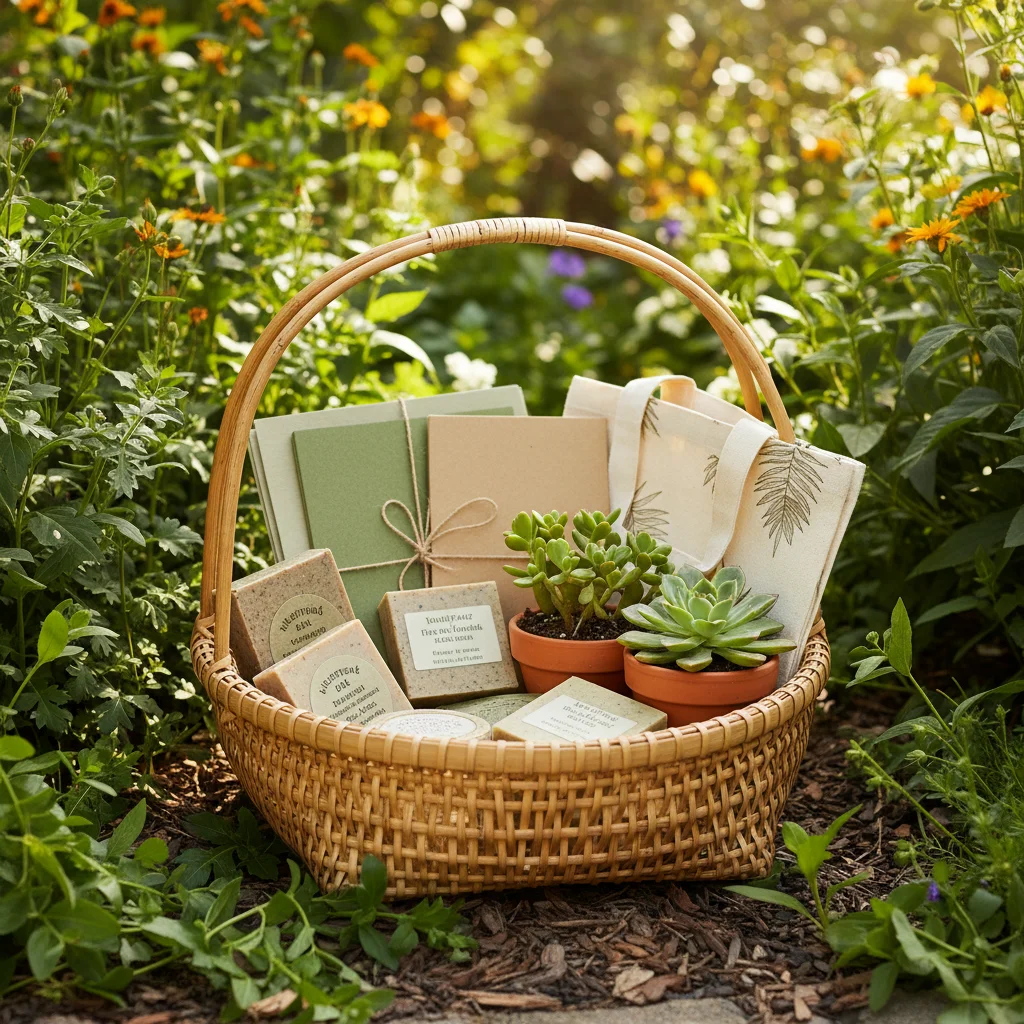
The way India gifts is changing. As awareness about environmental impact grows, more people are seeking gift options that align with their values. Eco-friendly gift hampers are no longer a niche — they represent a growing movement where thoughtfulness extends not just to the recipient but to the planet. In this guide, we explore everything you need to know about sustainable gifting in India, from choosing the right products to finding brands that walk the talk.
The environmental cost of traditional gifting is staggering. India generates an estimated 15,000 tonnes of additional waste during Diwali alone, much of it from gift packaging. Single-use plastic wraps, non-recyclable metallic boxes, synthetic ribbons, and excessive layering contribute to landfill waste that takes centuries to decompose. By choosing eco-friendly hampers, you can celebrate every occasion without adding to this burden. Even small changes — like choosing recyclable packaging or organic products — add up when millions of people make the same choice.
What makes a gift hamper truly eco-friendly? It starts with the packaging. Look for hampers that use recycled cardboard, organic cotton wraps, jute bags, bamboo baskets, or reusable wooden crates instead of plastic or glossy non-recyclable materials. The best brands use soy-based inks for printing, biodegradable fillers like shredded paper or dried leaves, and packaging that can be composted or repurposed. At Gourmet Company, our eco-friendly line uses FSC-certified paper, plant-based inks, and packaging designed to be reused as storage or display pieces.
The products inside the hamper matter just as much as the packaging. Organic and naturally produced foods have a smaller environmental footprint because they avoid synthetic pesticides, chemical fertilisers, and intensive farming practices. When choosing a sustainable hamper, look for certifications like India Organic, USDA Organic, or Fair Trade. Prioritise products with shorter supply chains — locally sourced artisanal goods from Indian producers have a lower carbon footprint than imported alternatives shipped across continents.
For Diwali specifically, sustainable hampers can include organic jaggery-based sweets instead of sugar-laden commercial mithai, cold-pressed oils, heritage grain snacks, natural honey, chemical-free dry fruits, and handmade earthen diyas. Read our complete Diwali gift hamper guide for more festive ideas. Several artisanal Indian brands now produce festival-ready gourmet foods using traditional methods and organic ingredients. These products not only taste better but also support rural livelihoods and traditional food craftsmanship.
Corporate sustainable gifting is an emerging trend that aligns with ESG (Environmental, Social, and Governance) commitments. Companies increasingly want their corporate gifts to reflect their sustainability values. Eco-friendly corporate hampers with branded recyclable packaging, carbon-neutral delivery, and a donation component (such as planting a tree for every hamper sent) are becoming popular choices. These gifts make a statement about corporate values while delighting recipients with premium quality products.
Zero-waste gifting takes sustainability a step further. The concept is simple: every element of the gift should be either consumable, compostable, or reusable, leaving nothing for the landfill. A zero-waste hamper might include artisanal foods in glass jars (reusable for storage), organic teas in tin caddies, handmade soaps in paper wraps, beeswax candles, seed paper cards (that grow into plants when planted), and a cotton tote bag instead of a disposable gift box. It requires more thoughtful curation but creates a more meaningful gifting experience.
The rise of plant-based and vegan gifting options is another dimension of sustainable hampers. Vegan hampers exclude dairy, honey, and animal-derived ingredients, replacing them with coconut-based chocolates, nut milks, fruit-based confections, and plant-based specialty foods. This category appeals not only to vegans but also to environmentally conscious recipients who want to reduce their dietary footprint. Many premium gourmet brands now offer dedicated vegan hamper collections.
Knowing how to spot greenwashing in gift hampers matters for conscious consumers. Some brands use terms like natural, green, or eco without meaningful commitment to sustainability. Red flags include excessive plastic inside supposedly eco-friendly outer packaging, vague sustainability claims without certifications, and green-coloured branding used as a marketing tactic without substance. Genuine eco-friendly brands are transparent about their sourcing, packaging materials, supply chain practices, and carbon footprint.
Supporting local artisans through your gift choices creates a multiplier effect on sustainability. When you choose hampers featuring products from small-batch Indian producers — such as Coorg coffee, Kashmiri saffron, Darjeeling tea, or Maharashtra honey — you support sustainable agriculture, preserve traditional food cultures, and reduce the environmental cost of long-distance shipping. Many artisanal producers use organic and regenerative farming practices by tradition, making their products inherently more sustainable than mass-produced alternatives.
Shop the Collection
Explore our curated gourmet products mentioned in this article
Related Articles

Sustainable Packaging: Our Commitment to the Planet
Explore how Gourmet Company is pioneering sustainable packaging in India's gifting industry.

The Art of Gourmet Gift Hampers: A Complete Guide
Discover what makes a truly memorable gift hamper, from selecting the right products to mastering the art of presentation.

Diwali Gift Hampers 2026: The Complete Guide to Festive Gifting
Everything you need to know about choosing the perfect Diwali gift hamper — from traditional sweet boxes to luxury gourmet collections for family, friends, and corporate clients.